The Father Behind a Familiar Basketball Name
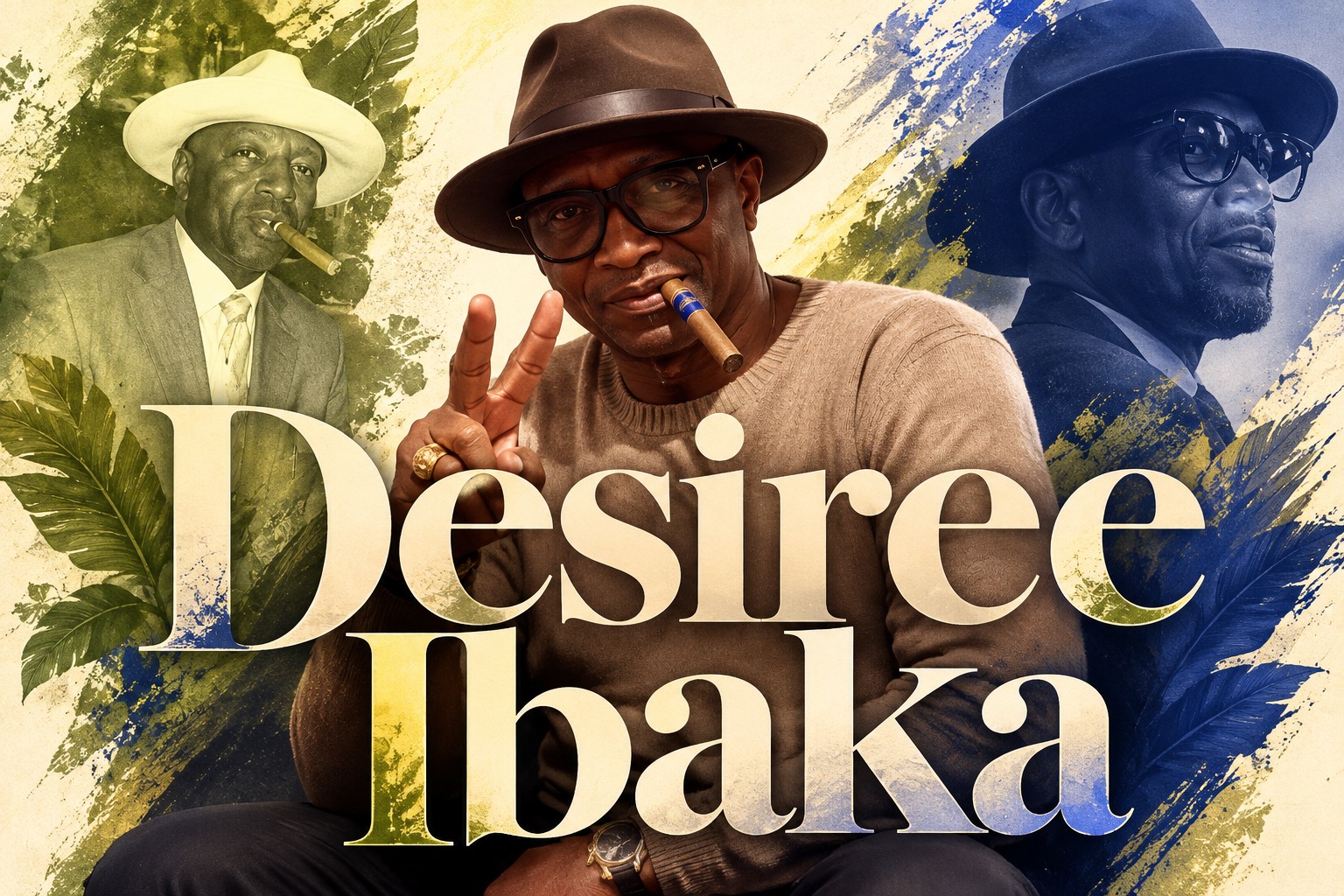
When I look at Desiree Ibaka’s place in the Ibaka family, basketball is the clearest starting point. He is known as the father of Serge Ibaka, the international professional player whose career carried him from Brazzaville to Europe and the NBA. Yet the elder Ibaka’s connection to the game began long before his son became a recognizable name. He played at national level in the Republic of the Congo and later continued his involvement through coaching.
The spelling deserves a brief clarification. Desiree Ibaka is the name used here, while his name commonly appears as Désiré or Desire Ibaka. Those spellings refer to Serge’s father. They do not establish a separate female relative. Serge’s mother is identified as Amadou Djonga, another accomplished basketball player. Getting those two identities straight gives the family story a firm foundation.
I find the most interesting part of this profile in that older sporting foundation. A famous child’s career can make a parent’s earlier work seem like a footnote. In this case, the father had already spent years inside basketball, developing his own understanding of competition, defense, and teaching.
A Career Built on Congolese Courts
Desiree Ibaka’s playing background belongs to Congolese basketball. He is described as an interior defender with a long domestic career and involvement with the Republic of the Congo national team. Accounts of that career emphasize sustained success, including repeated national championships. The picture is of an experienced player who understood the demands of the sport across many seasons.
His achievements should be understood in their own setting. International celebrity and local sporting importance are different measures. A player can be deeply significant to clubs, teammates, and young athletes without becoming an everyday subject of global sports coverage. Desiree’s long association with the game fits that pattern.
I think of his role as part of basketball’s root system. The televised game is the visible canopy, but the sport also grows through domestic competitions, coaches, and families who keep passing it along. His career connects the Ibaka name to that less visible work, where habits and knowledge accumulate over years.
Amadou Djonga and a Household Shaped by the Game
Amadou Djonga, Serge’s mother, also played basketball at national level. She is associated with the Democratic Republic of the Congo women’s national team. That distinction matters: her sporting background is not simply a duplicate of her husband’s, and the two neighboring Congo countries should not be treated as interchangeable.
With both parents involved in basketball, Serge grew up in a household where the sport had an established place. He was born on September 18, 1989, in Brazzaville, in the Republic of the Congo. His family is consistently described as very large, although accounts differ on the precise number of children. The household included many siblings and two parents with substantial experience in the game.
That environment offers useful context for Serge’s beginnings. It does not mean his later career was automatic. Playing professionally abroad required a path beyond the family home. Still, his father’s playing experience and his mother’s national-team background gave basketball a history within the household before Serge made it his own profession.
Serge Ibaka and the Journey Beyond Brazzaville
Serge left Congo as a teenager to pursue basketball in Europe. His subsequent professional career brought the family name into a much larger public arena. Coverage of his development often returns to his parents because their involvement helps explain the setting from which he emerged.
I prefer to keep the generations distinct. Serge’s NBA and European achievements belong to Serge. Desiree’s domestic playing career and coaching belong to his father. Their stories meet through family and basketball, but neither needs to borrow the other’s accomplishments to be meaningful.
Serge’s brother Igor Ibaka is another publicly identified member of the family with a basketball background. Igor has played at club and university level. His presence makes the family’s sporting connection broader than a single father-and-son pairing. Other sibling names are less consistently documented, so an exhaustive family roster would offer more apparent precision than the available information supports.
Coaching and a Later Chapter in France
After his playing years, Desiree remained involved in basketball through youth coaching in France, including the Tours and La Riche area. I see that transition as an important chapter rather than an afterthought. Coaching turns experience into something another person can use. It asks a former player to explain, repeat, and observe instead of relying only on his own performance.
His work with younger players also expands the profile beyond his relationship with Serge. He had a place in the game as a participant and as a teacher. The local scale of that work does not diminish it. Youth basketball depends on people willing to stay close to developing players and the ordinary rhythms of training.
There is no dependable personal financial profile to add to this account. Serge’s earnings cannot stand in for his father’s finances. The useful details concern Desiree’s playing career, his coaching, and the family relationships through which many readers encounter his name.
Ranie Ibaka and the Next Generation
Ranie Ibaka is Serge’s daughter and Desiree’s granddaughter. Her place in the family became more widely known through accounts of Serge reconnecting with her and raising her. She moved from Congo to the United States to live with her father, adding another cross-border chapter to the family’s story.
The relationship also changes the angle from which the Ibakas are seen. Serge appears as a father as well as an athlete, while Desiree belongs to the older generation of the same family. I find that generational perspective useful because it prevents the entire household from being flattened into a sports biography. Basketball is a strong thread, but parenthood and family connection run alongside it.
FAQ
Is Desiree Ibaka Serge Ibaka’s father?
Yes. The person discussed here is Serge Ibaka’s father, commonly named Désiré or Desire Ibaka. The spelling Desiree can cause confusion, but it should not be used to identify him as Serge’s mother. Amadou Djonga is the parent identified as Serge’s mother.
Did Desiree Ibaka play basketball professionally?
He had a long basketball career in the Republic of the Congo, including national-team involvement and domestic success. He is described as an interior defender. His later work included coaching young players in France, particularly around Tours and La Riche.
How is Ranie Ibaka related to Desiree Ibaka?
Ranie is his granddaughter through his son Serge. Her publicly discussed family story concerns her reunion with Serge and her move from Congo to the United States. She belongs to a newer generation of a family whose earlier public history is strongly associated with basketball.